 Trailers
 Buses
Buses
 Tractors
 Rollers
 Cranes
 Loaders
 Graders
 Forklifts
 Dozers
 Excavators
 Boats
Boats
 Caravans





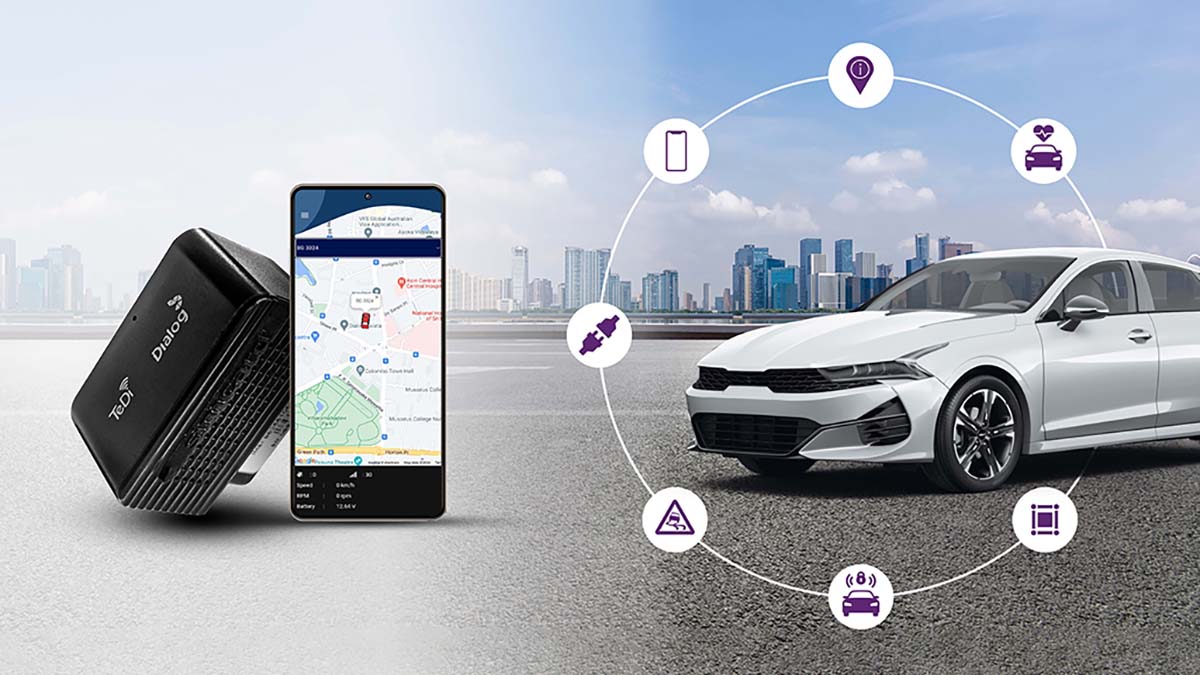
What To Consider When Looking For A Car Tracker
Choosing the right car tracker is an important decision, especially in countries where vehicle theft and hijacking are common. A car tracker is more than just a GPS device — it can be a vital security tool that helps recover your vehicle, reduce insurance premiums, and provide peace of mind. However, not all trackers offer the same features, reliability, or level of protection. Before you invest in one, here are the key factors you should consider.
First, understand your primary purpose for installing a tracker. Are you looking for stolen vehicle recovery, real-time location monitoring, fleet management, teen driver supervision, or insurance compliance? Some trackers are designed purely for live GPS tracking, while others are part of comprehensive security systems with armed response and recovery teams. Clarifying your goal will help narrow your options significantly.
Second, consider whether you want a hardwired or plug-and-play device. Hardwired trackers are professionally installed into your vehicle’s electrical system. They are more difficult for thieves to detect and remove, making them ideal for high-risk areas. Plug-and-play trackers connect to the OBD (On-Board Diagnostics) port and are easier to install yourself. While convenient, they are also easier to remove if a thief knows where to look. Wireless battery-powered trackers are another option; they’re easy to hide but may require regular charging or battery replacement.
Third, look at real-time tracking capabilities. A quality car tracker should provide accurate, real-time GPS location updates through a mobile app or web portal. Check how frequently the device updates its location — some update every few seconds, while others may update less frequently to conserve data or battery life. Faster updates are generally better for recovery situations.
Fourth, examine the recovery service offered. A GPS location alone may not be enough if your car is stolen. Some tracking companies operate 24/7 monitoring centers and work directly with law enforcement or private recovery teams to retrieve stolen vehicles. This is a major advantage over basic GPS-only devices. If recovery is a priority, make sure the provider has a strong track record and national coverage.
Fifth, evaluate additional security features. Modern trackers often include extras such as remote immobilisation (which allows you to disable the engine once the vehicle is stationary), anti-jamming detection, tamper alerts, panic buttons, and geo-fencing. Geo-fencing sends notifications if the vehicle leaves a designated area, which is especially useful for parents monitoring teen drivers or businesses managing fleets.
Sixth, review the mobile app and user interface. The best tracker in the world won’t help much if the app is confusing or unreliable. Look for features like trip history, speed tracking, driving behavior reports, and instant alerts. Read user reviews to see if customers experience frequent technical glitches or connectivity issues.
Seventh, understand the total cost involved. Many trackers require a monthly subscription fee in addition to the installation or hardware cost. Subscription fees typically cover data connectivity, monitoring services, and recovery support. While budget trackers may have lower upfront costs, they may lack essential features such as 24/7 monitoring or armed response. Compare both short-term and long-term costs before committing.
Eighth, check compatibility with your vehicle. Some trackers work best with newer vehicles, while others are compatible with older models. If your vehicle has advanced electronic systems, confirm that installation will not interfere with the manufacturer’s warranty. Professional installers can usually advise on compatibility concerns.
Ninth, consider insurance requirements. Many insurance companies require specific types of trackers for high-risk vehicles. Some insurers only approve certain brands or systems that meet defined standards. Installing an approved tracker can significantly reduce your premium. Before purchasing, check with your insurance provider to ensure the tracker you choose qualifies for discounts.
Tenth, evaluate reliability and signal strength. A tracker is only useful if it maintains strong connectivity. Devices typically rely on GPS satellites combined with GSM or LTE mobile networks. Ensure the provider has strong network coverage in the areas where you travel most frequently. Some premium systems also include backup communication methods or anti-jamming alerts to detect signal interference.
Eleventh, think about installation and maintenance. Professional installation ensures the tracker is securely and discreetly fitted. Ask about installation time, warranty, and what happens if you change vehicles. Some companies allow you to transfer the tracker to a new car for a small fee.
Twelfth, check the company’s reputation and customer support. Research how long the provider has been in business and whether they have positive reviews regarding recovery success rates and customer service responsiveness. A reliable support team is crucial if you ever face a theft situation or technical problem.
Finally, consider your risk profile. If you drive a high-theft vehicle model or live in a high-crime area, investing in a comprehensive tracking and recovery system is usually worthwhile. If you mainly want to monitor vehicle usage or driving habits, a simpler GPS tracking solution may be sufficient.
In conclusion, choosing a car tracker involves more than comparing prices. You need to evaluate installation type, tracking accuracy, recovery services, additional security features, subscription costs, insurance compatibility, and provider reputation. By carefully considering these factors, you can select a tracker that fits your budget, enhances your vehicle’s security, and provides genuine peace of mind.
Guides


2000 Escape 17
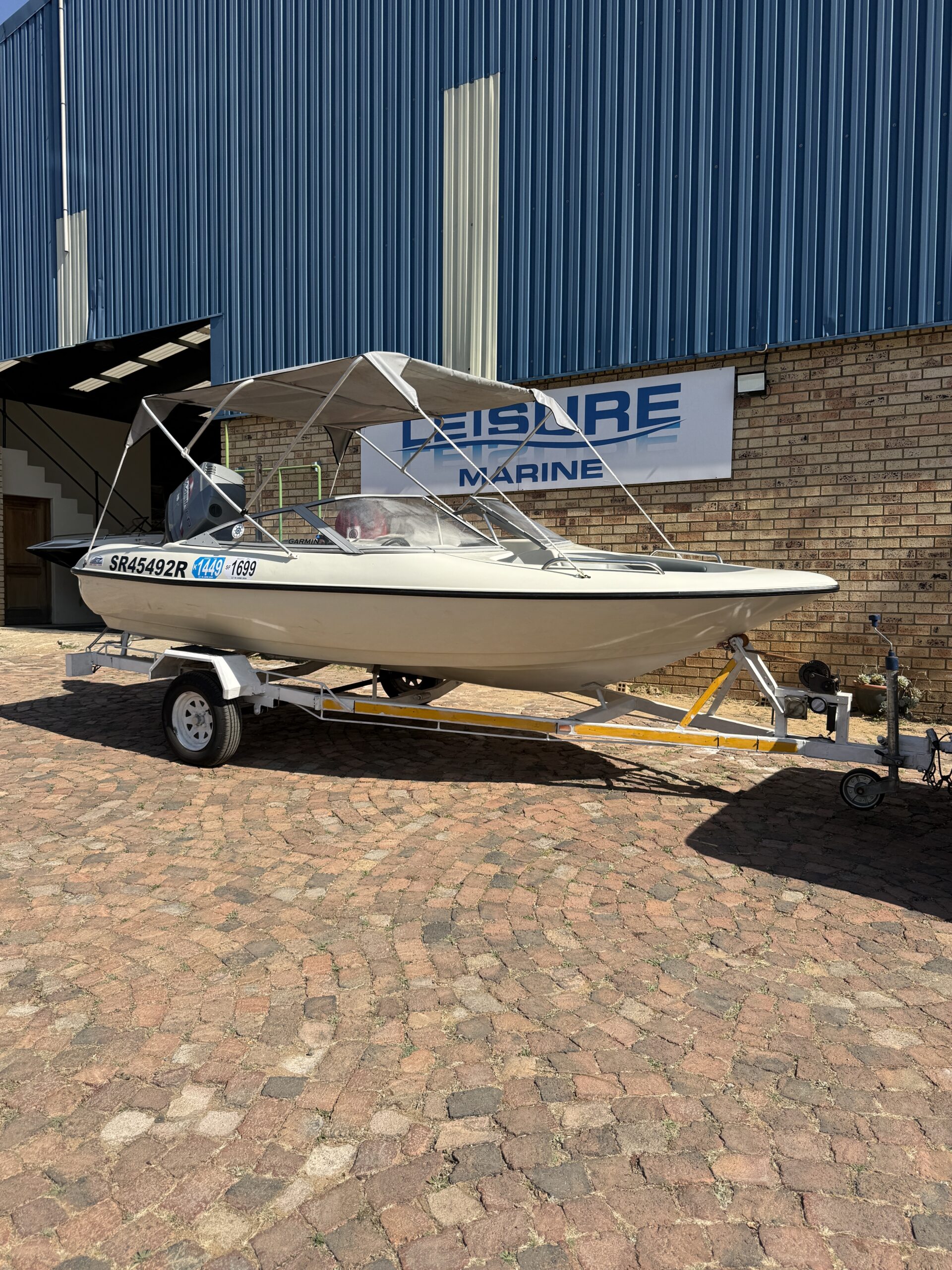
2010 Viking Velocity
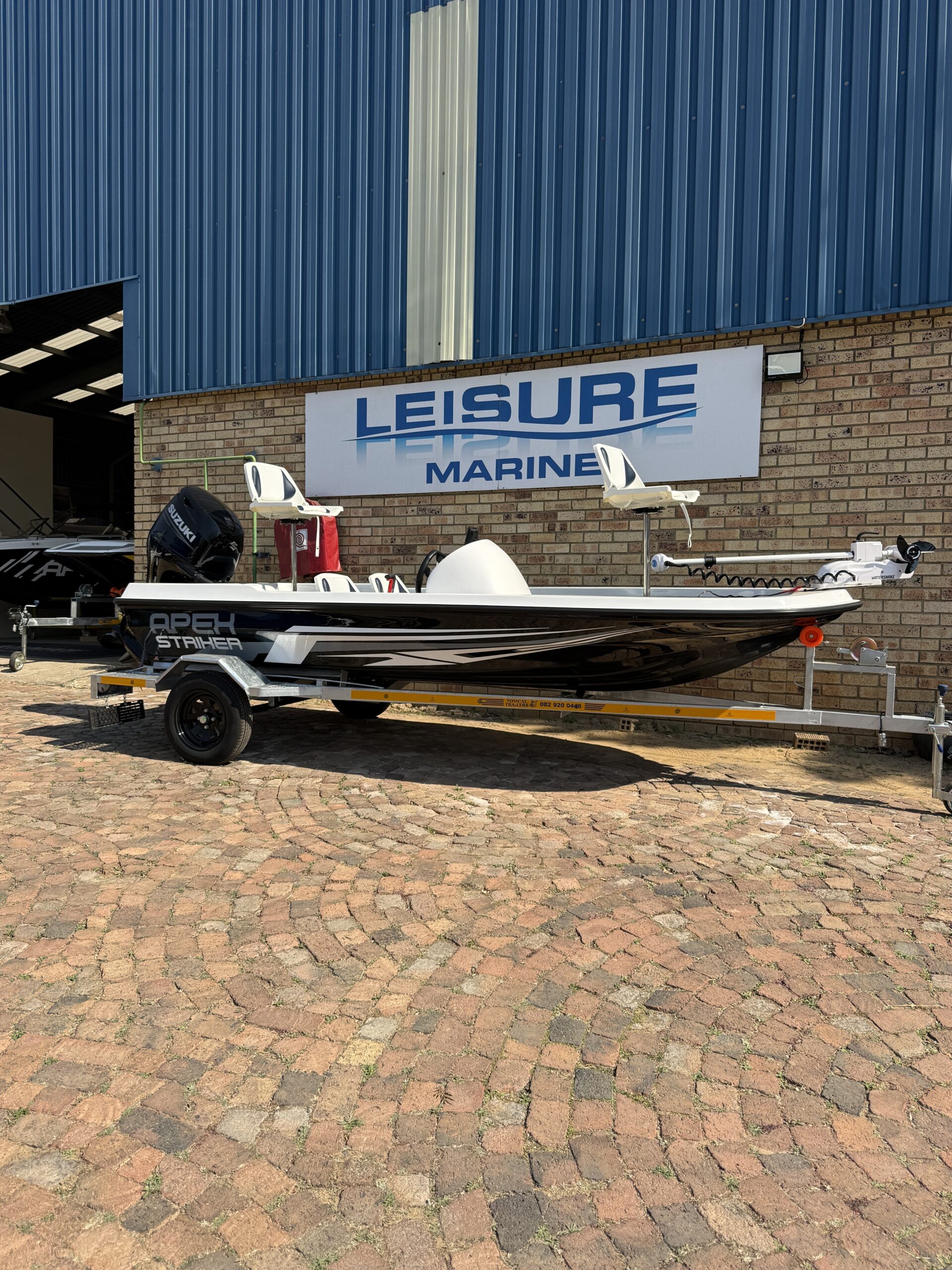
2026 Apex Striker
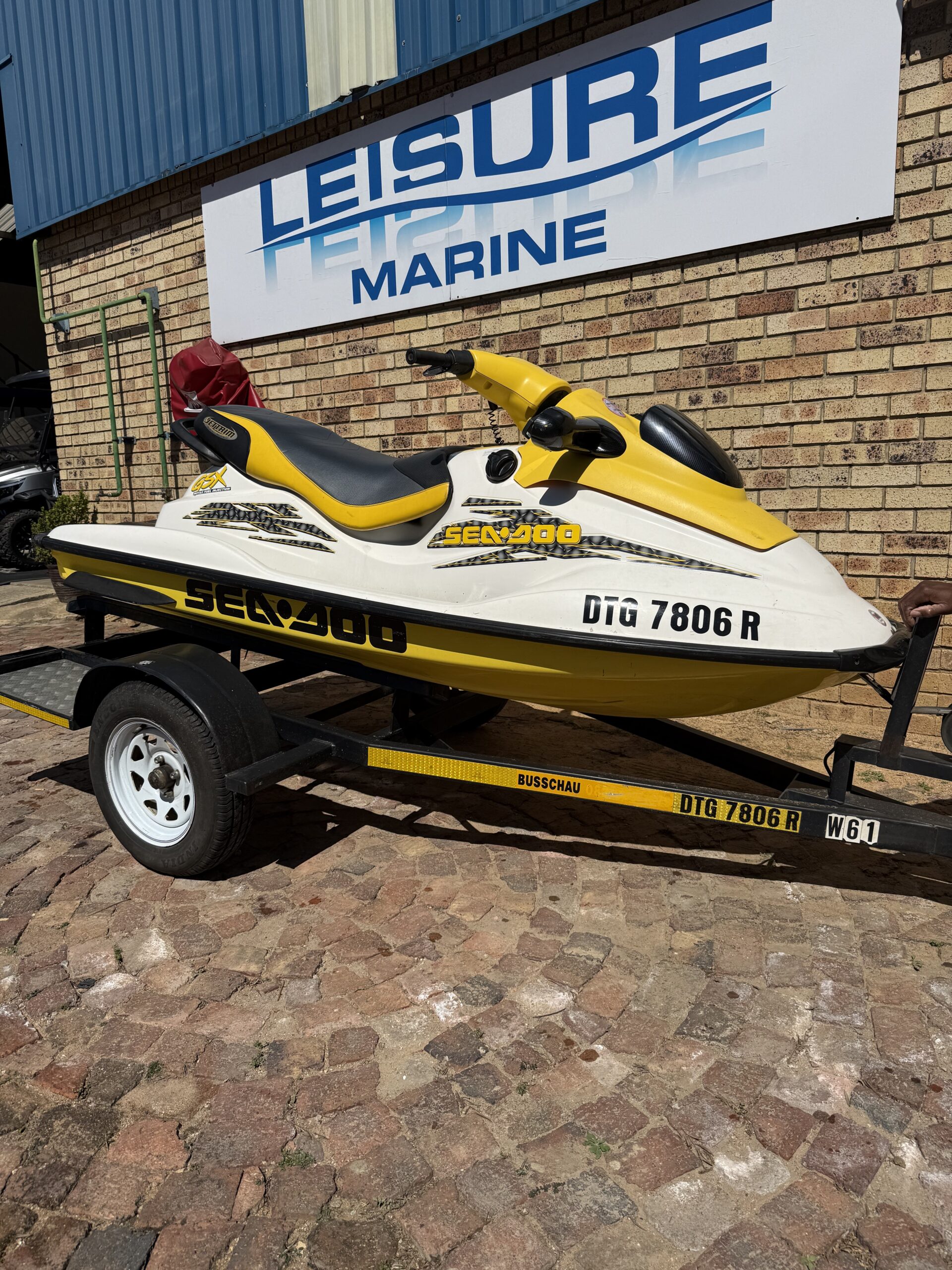
2000 Sea-Doo GSX



Reviews