 Trailers
 Buses
Buses
 Tractors
 Rollers
 Cranes
 Loaders
 Graders
 Forklifts
 Dozers
 Excavators
 Boats
Boats
 Caravans





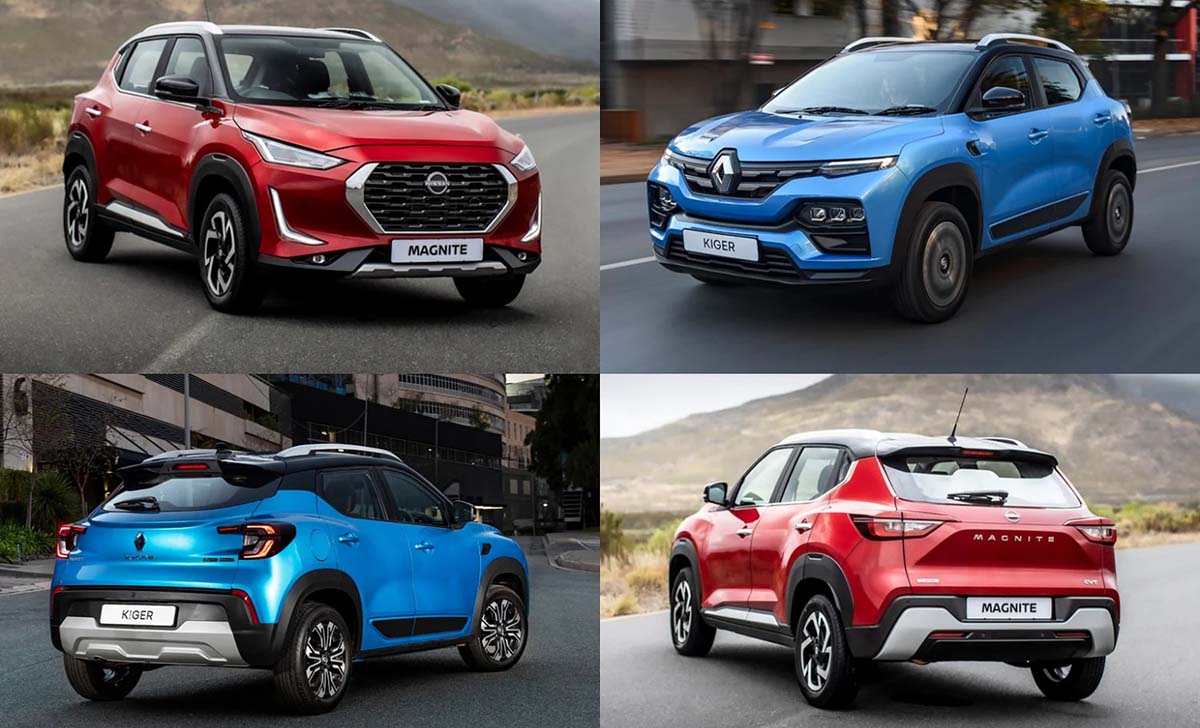
The Difference Between A Renault Kiger And A Nissan Magnite
Shared DNA: Platform and Mechanics
At a fundamental level, both the Kiger and Magnite sit on the same Renault–Nissan CMF-A+ modular platform, manufactured in India. This shared foundation gives both vehicles similar wheelbase (2 500 mm) and ground clearance (~205 mm), as well as compact overall dimensions suited to urban driving.
Mechanically, they also use similar 1.0-litre three-cylinder petrol engines in both naturally aspirated (NA) and turbocharged forms. The base NA engine produces around 72 PS and 96 Nm, while the turbo unit delivers ~99 PS and 152–160 Nm depending on gearbox. Transmission options include a 5-speed manual, a 5-speed AMT (Automated Manual Transmission), and a CVT automatic for turbo variants.
Despite this shared technical base, each SUV has distinct character and packaging that influence real-world differences.
Exterior and Dimensions
While wheelbase and ground clearance are nearly identical, there are small dimensional differences:
-
Length and width: The Magnite is slightly longer and wider.
-
Height: The Kiger is marginally taller, partly due to its design and styling elements.
These small differences don’t dramatically affect driving dynamics, but they do help tailor each vehicle’s aesthetic: the Kiger leans into a more crossover, urban look, whereas the Magnite often feels a bit more rugged and SUV-like.
Boot Space and Practicality
One of the most notable differences for owners is cargo space. The Kiger boasts a generously sized boot of roughly 405 litres, expanding significantly with the rear seats folded — making it one of the largest in its class.
The Magnite’s boot capacity is smaller at around 336 litres, though still practical for everyday use. The lower boot space typically results in a lower rear loading lip, which some buyers find easier to use in daily life.
Interior Features and Comfort
Inside, there are design and equipment differences that can influence which SUV feels better suited to your preferences:
Infotainment and Tech
-
Kiger: Often equipped with an 8-inch touchscreen, digital instrument display, wireless smartphone connectivity, and ventilated front seats on higher trims.
-
Magnite: Offers a slightly larger 9-inch infotainment screen in higher trims, and on many models features connected car technology, including vehicle status and telematics.
Seating and Materials
-
Kiger interiors are typically dual-tone with some premium touches depending on the grade.
-
Magnite interiors also feature dual-tone themes, and some variants offer leatherette seats, adding a more upmarket feel.
Both SUVs offer features like Apple CarPlay/Android Auto, automatic climate control, and rear air vents — common for this competitive segment.
Safety and Standard Equipment
Safety is a strong point for both, but the Magnite generally has an edge:
-
Magnite: All newer models come with six airbags, ESC (Electronic Stability Control), ABS with EBD, Brake Assist, TPMS, hill-start assist, rear parking sensors, and often additional safety tech like a 360-degree Around View Monitor in higher trims. It also earned a 5-star Global NCAP adult occupant rating on versions with six airbags and ESC.
-
Kiger: Offers six airbags on higher trims and a solid suite of ABS, traction control, hill-start assist, and TPMS, but not all variants include the full range of advanced safety gear, and it currently lacks a widely-available independent crash test rating in many markets.
This means the Magnite may feel slightly safer by default, especially if safety tech and crash protection matter most to you.
Performance and Driving Experience
In terms of performance, the two cars behave very similarly when equipped with the same engine and transmission. The naturally aspirated engines deliver modest power suitable for city driving and good fuel economy, while the turbocharged versions offer stronger performance, better in-gear acceleration, and less stress on highways.
Fuel economy figures are also comparable, with both SUVs capable of around 5–6 L/100 km on average depending on variant and driving style.
Some reviewers and owners report slight differences in calibration — for instance, the Kiger’s engine and gearbox tuning can feel a bit smoother in city traffic, while the Magnite may feel marginally brisk in certain turbo configurations — but these are generally subjective.
Price and Value Proposition
Pricing is close between the two, but there are subtle differences:
-
In many markets, the Magnite often starts slightly cheaper at the base level and offers a broader range of trims and options.
-
The Kiger’s pricing can vary slightly, and on some higher trims it undercuts comparable Magnite variants, sometimes offering better value depending on equipment levels.
Additionally, warranty and service plans can differ between brands — Magnite products often come with longer warranties or service plans in some regions, which can boost peace of mind.
Final Verdict: Which One Suits You?
In short, both the Renault Kiger and Nissan Magnite offer strong value in the compact SUV segment due to shared engineering, efficient engines, and contemporary feature sets.
-
Choose the Magnite if you prioritise standard safety features, slightly better cabin connectivity, a lower starting price, and premium feel in upper trims.
-
Choose the Kiger if you need maximum cargo space, slightly better claimed fuel economy, and a feature-rich package at competitive pricing.
Ultimately, they’re siblings rather than direct rivals, each optimized slightly differently to appeal to specific buyer preferences — practical cargo space and value with the Kiger, or tech, safety, and potential price edge with the Magnite.
Guides


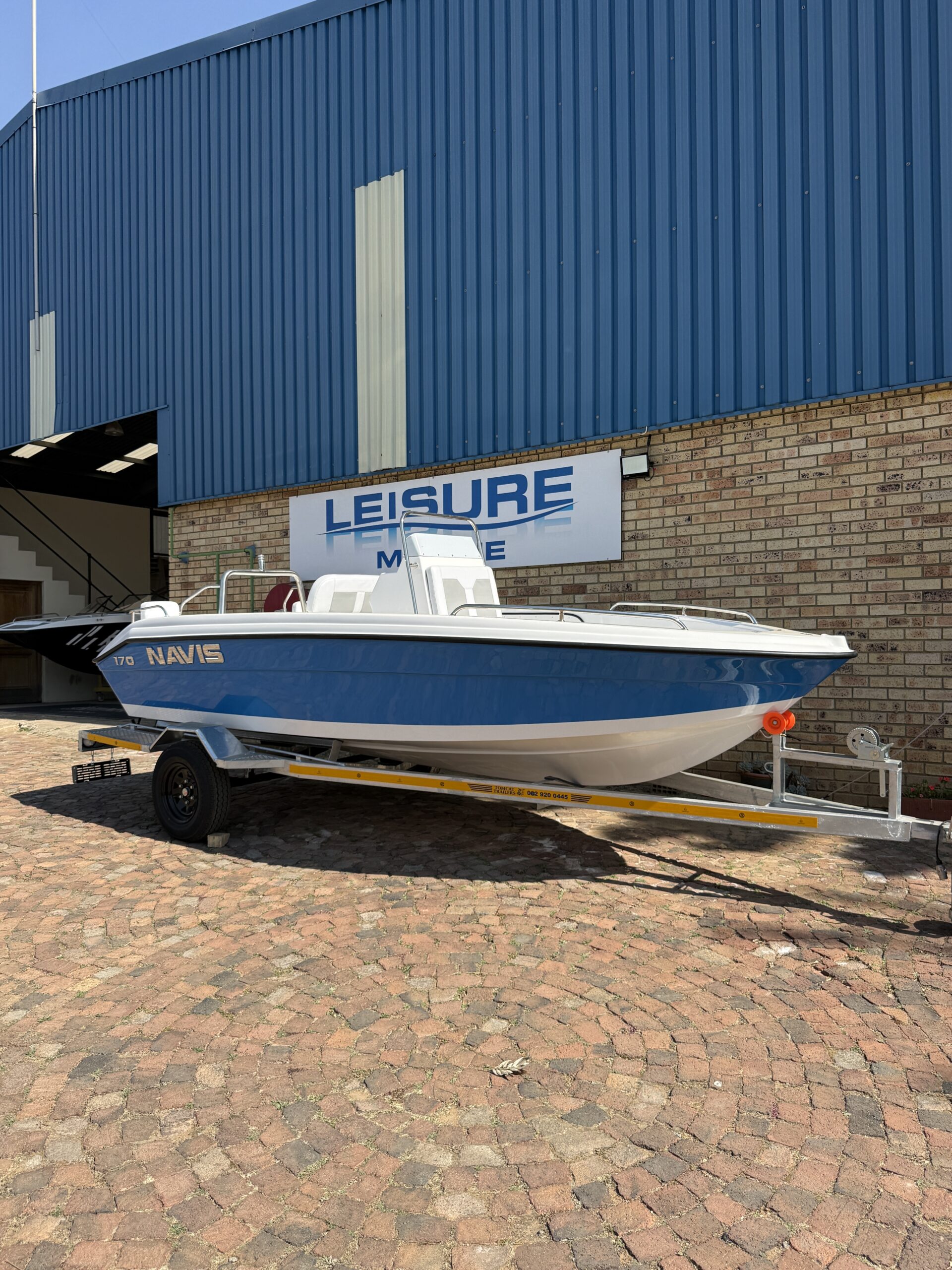
2000 Escape 17
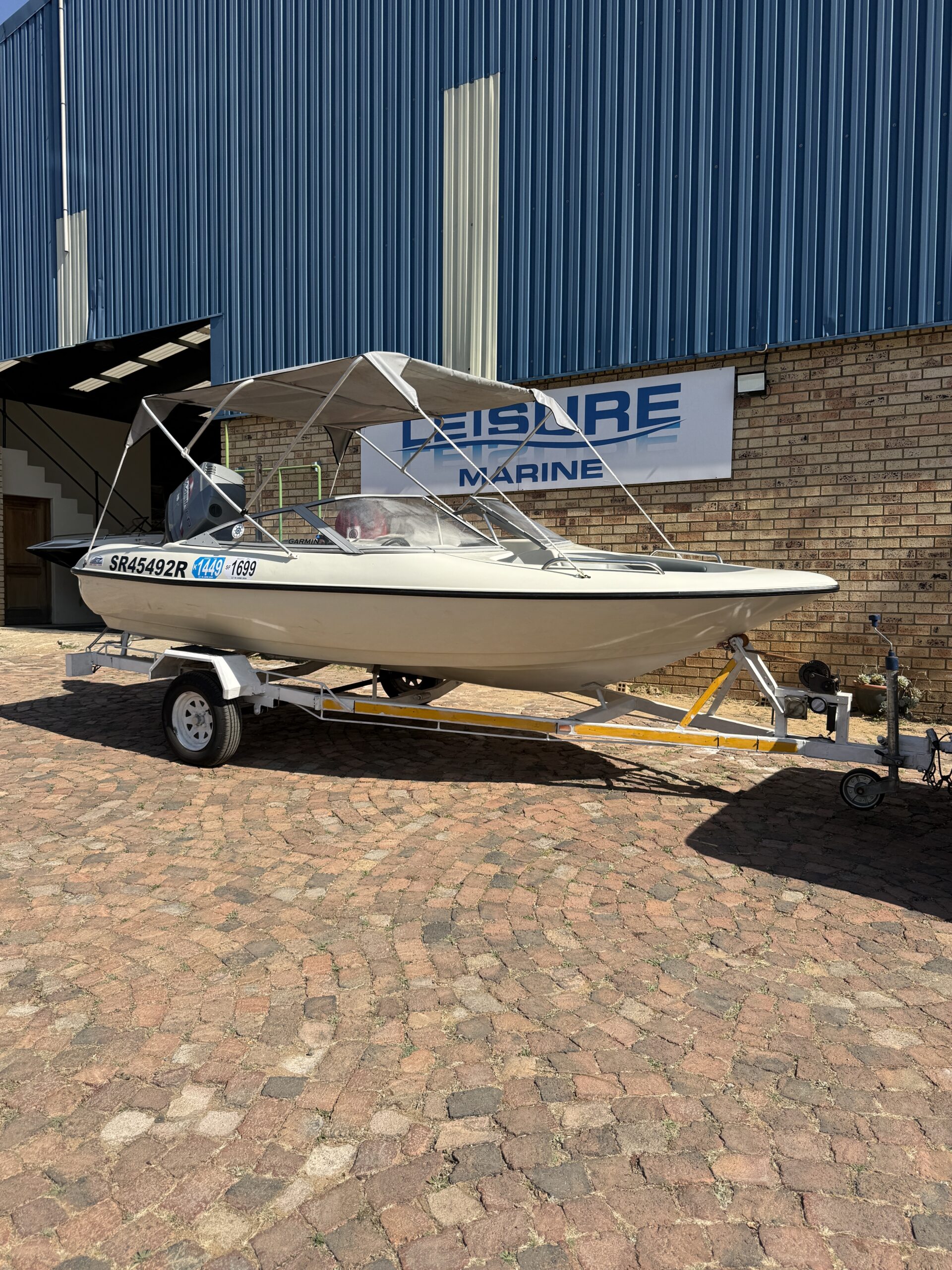
2010 Viking Velocity
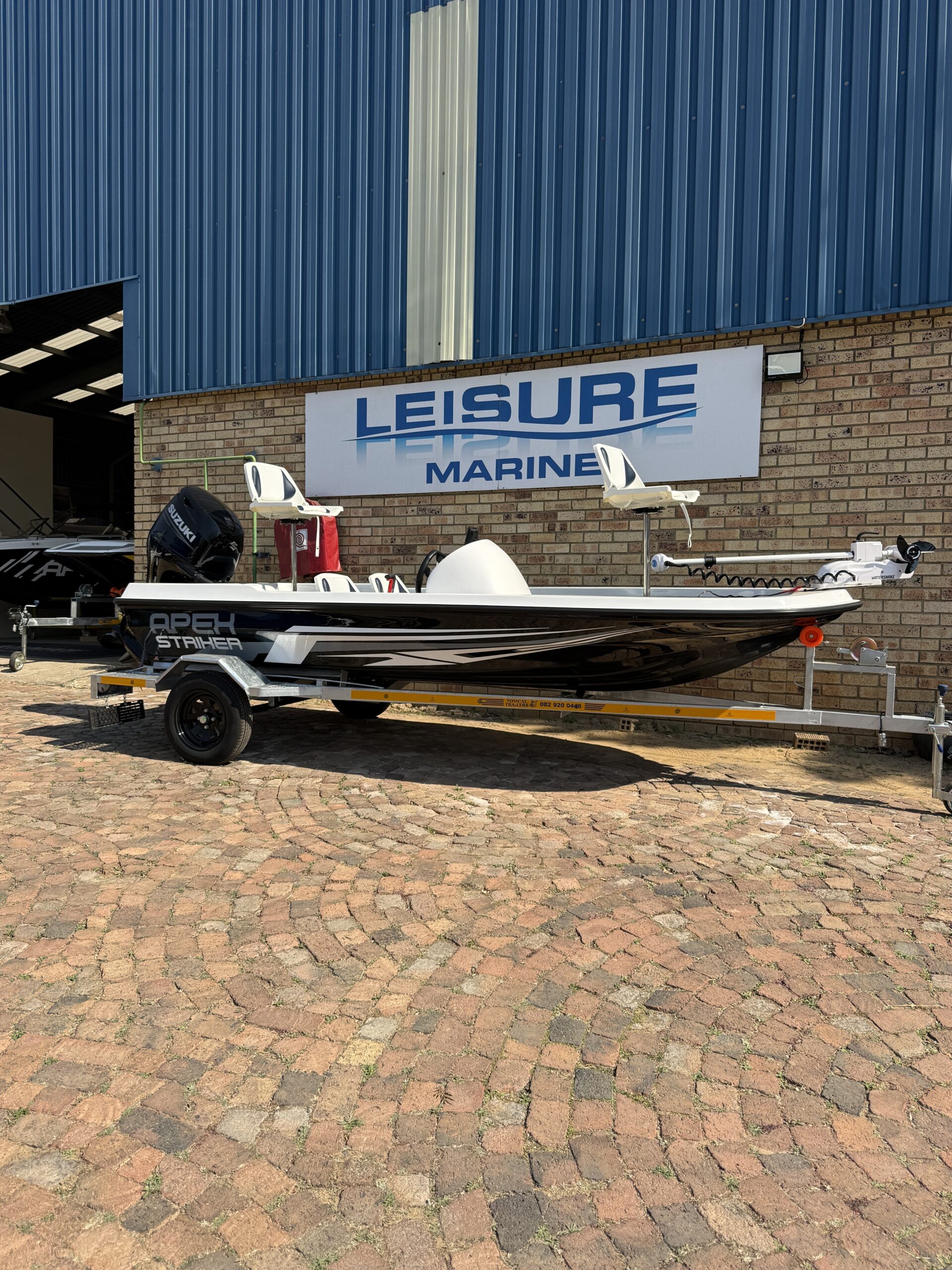
2026 Apex Striker