
 Trailers
 Buses
Buses
 Tractors
 Rollers
 Cranes
 Loaders
 Graders
 Forklifts
 Dozers
 Excavators
 Boats
Boats
 Caravans





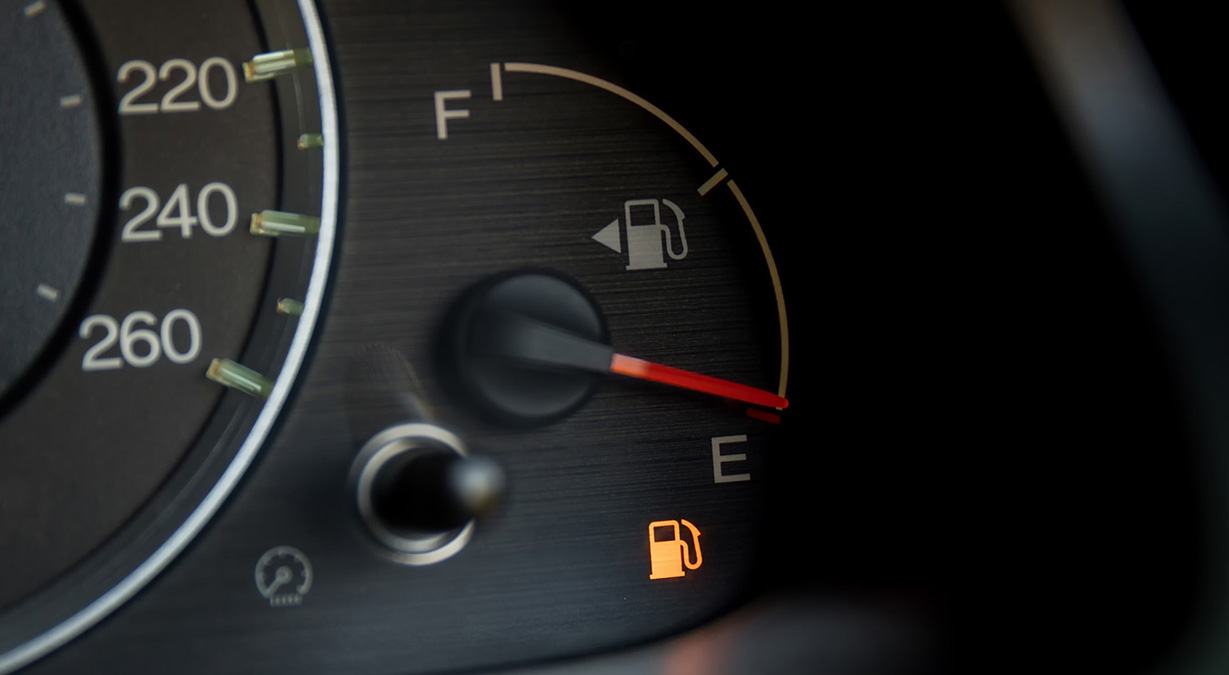
The Safety Dangers of Driving with Low Fuel
Many drivers have experienced the temptation to push their luck by driving until the fuel warning light comes on, hoping to reach the next petrol station before running out. While it may seem like a harmless way to squeeze every last kilometre from a tank of fuel, regularly driving with low fuel can create serious safety risks. From unexpected breakdowns to costly mechanical damage, allowing your fuel level to drop too low can put you, your passengers, and other road users in danger.
The Risk of Running Out of Fuel
The most obvious danger of driving with low fuel is running out completely. Although modern vehicles provide fuel gauges and warning lights, these systems cannot always predict exactly how much fuel remains. Factors such as driving uphill, heavy traffic, high speeds, towing, and air conditioner use can increase fuel consumption and reduce your remaining range.
If your vehicle stops unexpectedly on a busy motorway, rural road, or intersection, you could find yourself stranded in a hazardous location. Other motorists may have little time to react, increasing the likelihood of rear-end collisions or other accidents. Stopping on the shoulder of a highway is particularly dangerous, especially at night or during poor weather when visibility is reduced.
Increased Stress and Poor Decision-Making
Driving while worried about your fuel level creates unnecessary stress. Instead of concentrating fully on the road, drivers often become preoccupied with searching for the nearest fuel station or constantly checking the estimated driving range.
This distraction can reduce reaction times and impair decision-making. Drivers may speed to reach a service station before running out or make sudden lane changes when they spot a fuel station. These behaviours increase the risk of accidents and compromise overall road safety.
Fuel Pumps Depend on Fuel for Cooling
Many people don't realise that the fuel inside your tank serves an important purpose beyond powering the engine. In most modern vehicles, the electric fuel pump sits inside the fuel tank and relies on petrol or diesel to keep it cool and lubricated.
When the fuel level becomes consistently low, the pump may be exposed to higher operating temperatures. Over time, this additional heat can increase wear and shorten the pump's lifespan. Replacing a faulty fuel pump is often far more expensive than simply filling up your tank earlier.
Keeping your tank at least one-quarter full helps ensure the fuel pump remains properly cooled during normal driving conditions.
Dirt and Sediment Can Affect Fuel Delivery
Although modern fuel systems include filters, every fuel tank can accumulate tiny amounts of dirt, rust particles, or sediment over many years of use. These particles typically settle near the bottom of the tank.
When fuel levels become very low, the fuel pump is more likely to draw fuel from the lowest point in the tank, where sediment is most concentrated. While the fuel filter is designed to capture contaminants, excessive debris can eventually clog the filter, reducing fuel flow and affecting engine performance.
Regularly running your tank nearly empty may increase the likelihood of fuel system maintenance over time.
Unexpected Traffic Can Leave You Stranded
One of the biggest mistakes drivers make is assuming their estimated remaining range is guaranteed. In reality, unexpected situations can dramatically increase fuel consumption.
Heavy traffic, roadworks, accidents, detours, steep hills, or extreme weather may require your engine to run much longer than anticipated. Even idling in traffic consumes fuel, reducing the distance you can travel.
A journey that normally requires only a small amount of fuel may become much longer due to unforeseen delays, leaving you stranded before reaching your destination.
Emergency Situations Require Fuel
Keeping sufficient fuel in your vehicle is especially important during emergencies.
Unexpected situations such as evacuations, medical emergencies, severe weather, or natural disasters may require immediate travel. If your tank is nearly empty, you may waste valuable time searching for an open fuel station instead of responding quickly.
During widespread emergencies, fuel stations may experience long queues or temporary shortages, making it even more important to maintain a reasonable fuel reserve.
Fuel Gauges Are Not Always Perfect
Many drivers place complete trust in their vehicle's fuel gauge or remaining range display. However, these systems are estimates rather than guarantees.
Fuel gauges can become less accurate over time, while range calculations constantly change based on your recent driving habits. Aggressive acceleration, high-speed driving, towing, or driving uphill can reduce the actual distance you can travel.
Rather than relying entirely on the displayed range, it is safer to refill your tank well before the warning light becomes a regular occurrence.
Diesel Vehicles Face Additional Risks
For diesel-powered vehicles, running completely out of fuel can be more problematic than in many petrol vehicles.
Some diesel engines require the fuel system to be primed after the tank runs dry because air enters the fuel lines. This process may require special tools or professional assistance before the engine can restart, resulting in additional inconvenience and expense.
Avoiding low fuel levels helps reduce the likelihood of encountering this issue.
Better Fuel Habits Improve Safety
Developing good refuelling habits is one of the easiest ways to improve road safety.
Many experts recommend refuelling once your tank reaches approximately one-quarter full. This provides a comfortable safety margin for unexpected delays while helping protect your vehicle's fuel system.
Planning ahead before long trips is equally important. Familiarise yourself with fuel station locations along your route, particularly when travelling through rural or remote areas where service stations may be widely spaced.
Save Yourself Time, Stress, and Money
Waiting until your fuel warning light appears may seem convenient, but it often creates unnecessary risk. Besides increasing the chance of becoming stranded, driving with low fuel can contribute to mechanical wear, driver stress, and potentially dangerous roadside situations.
Refuelling early offers peace of mind and allows you to focus on driving rather than worrying about whether you'll make it to the next station. It also reduces the likelihood of costly repairs and inconvenient breakdowns.
Conclusion
Driving with low fuel is more than a minor inconvenience—it is a habit that can compromise both your safety and your vehicle's reliability. Running out of fuel in traffic, damaging fuel system components, or becoming stranded in an unsafe location are risks that are easily avoided with a little planning.
By making it a habit to refill your tank before it becomes critically low, you improve your safety, reduce stress behind the wheel, and help extend the life of your vehicle. A few extra minutes spent at the fuel station today can prevent hours of inconvenience and potential danger tomorrow.
Guides




2000 Escape 17
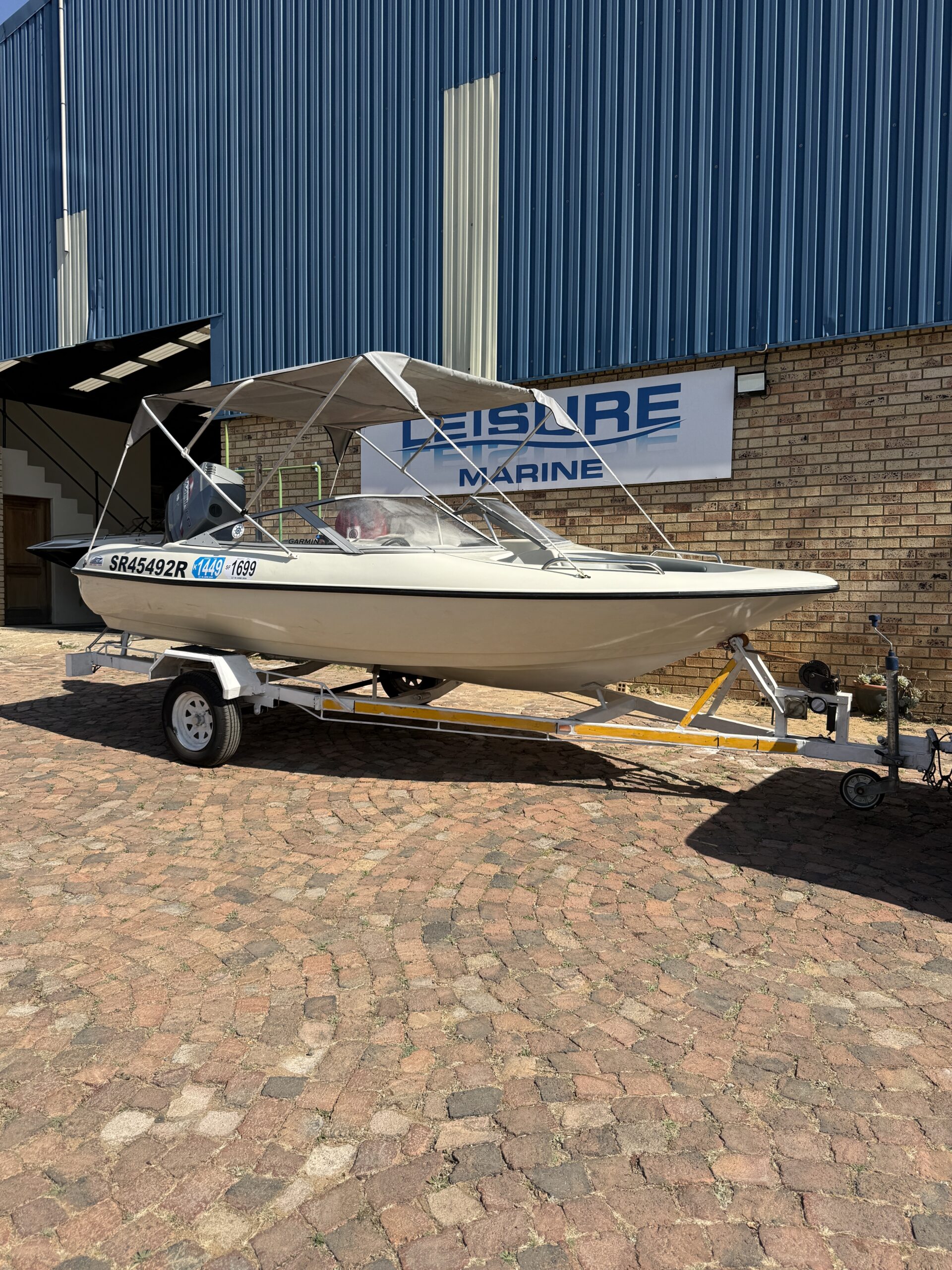
2010 Viking Velocity
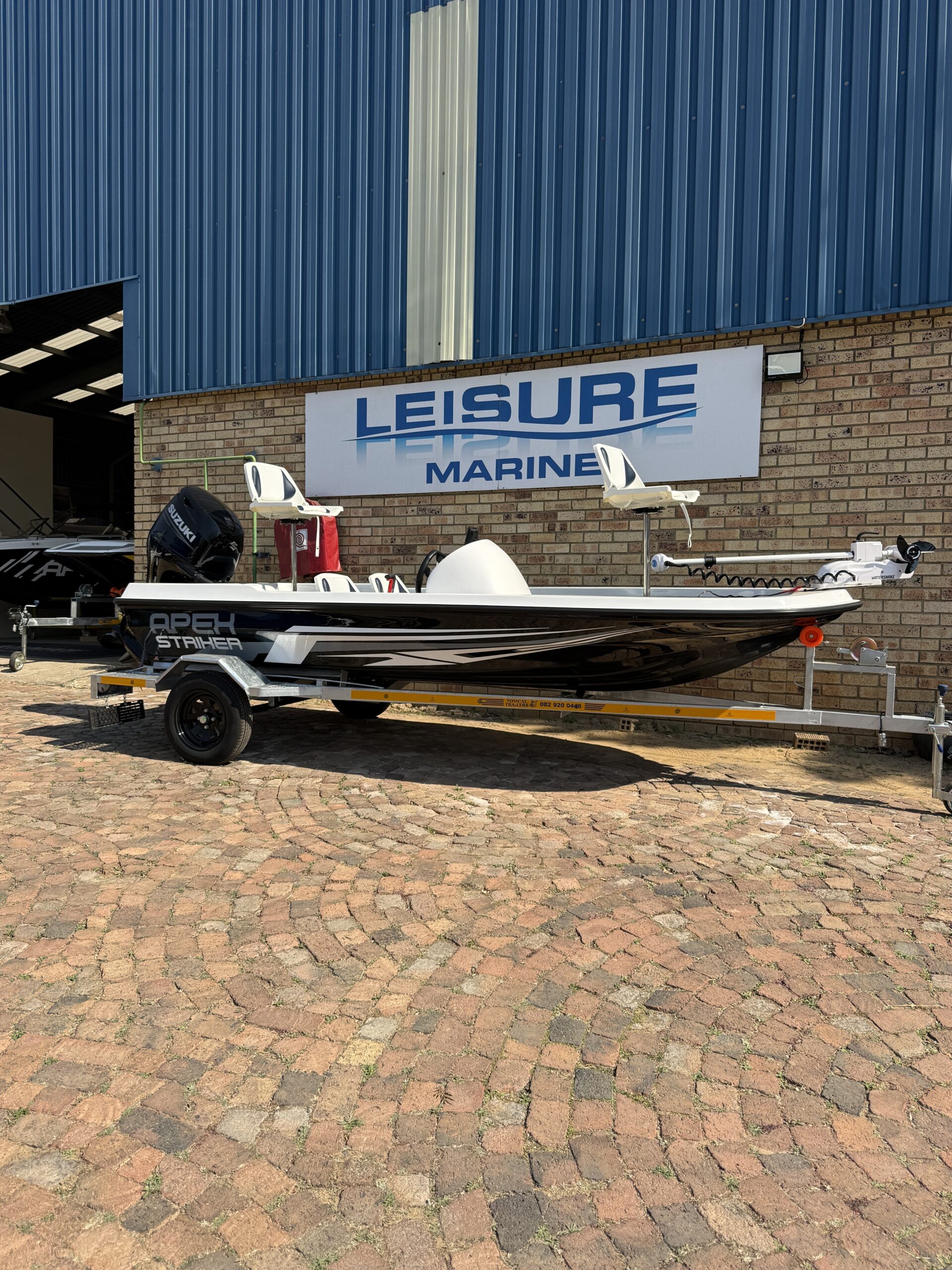
2026 Apex Striker
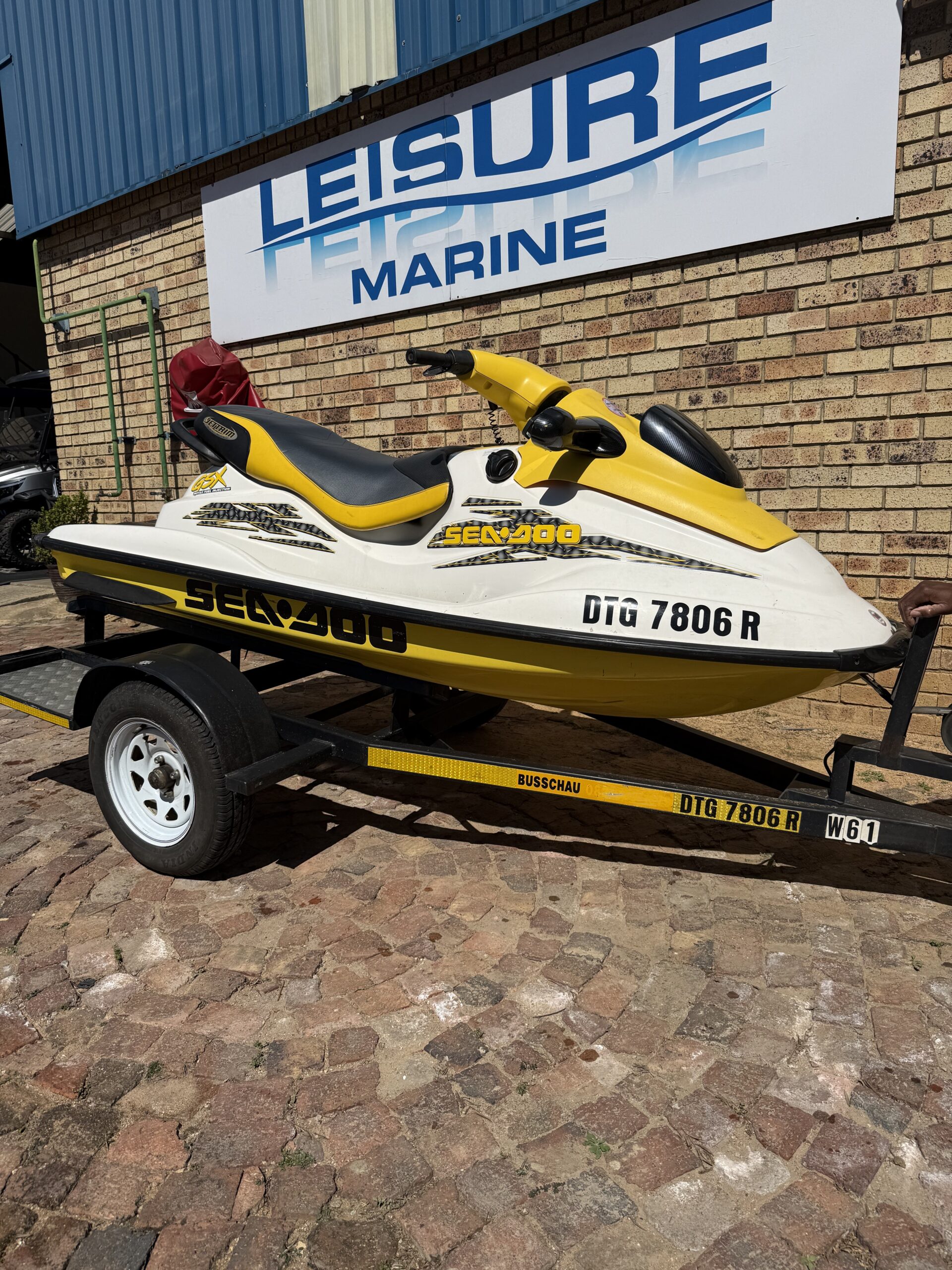
2000 Sea-Doo GSX





Reviews



0 Comments
Post Comment